Why Tokenized Funds Are the Next ETF Moment
The introduction of exchange-traded funds (ETFs) in the early 1990s changed how diversified funds trade and distribute. ETFs combine diversification, liquidity, and low-cost distribution in one instrument.
Today, tokenized funds could support a similar shift through digital infrastructure built on blockchain.
While ETFs digitized the trading of funds, tokenization digitizes the entire lifecycle of asset ownership.
The ETF Revolution: What Actually Changed
Before ETFs, investing in diversified funds typically required purchasing mutual funds through banks or brokers. These funds had several structural limitations:
- Settlement times of several days
- Limited trading windows (often once per day NAV pricing)
- Geographic distribution barriers
- Significant operational overhead
The launch of the SPDR S&P 500 ETF Trust in 1993 changed this model.
ETFs introduced three critical improvements:
- Intraday liquidity – investors could trade funds like stocks
- Lower costs – fewer intermediaries and automated portfolio replication
- Broad accessibility – available to retail and institutional investors globally
The result was explosive growth. ETFs have grown into a market exceeding $10 trillion in assets under management globally.
ETFs still operate through established financial infrastructure.
Tokenized Funds: A Structural Upgrade
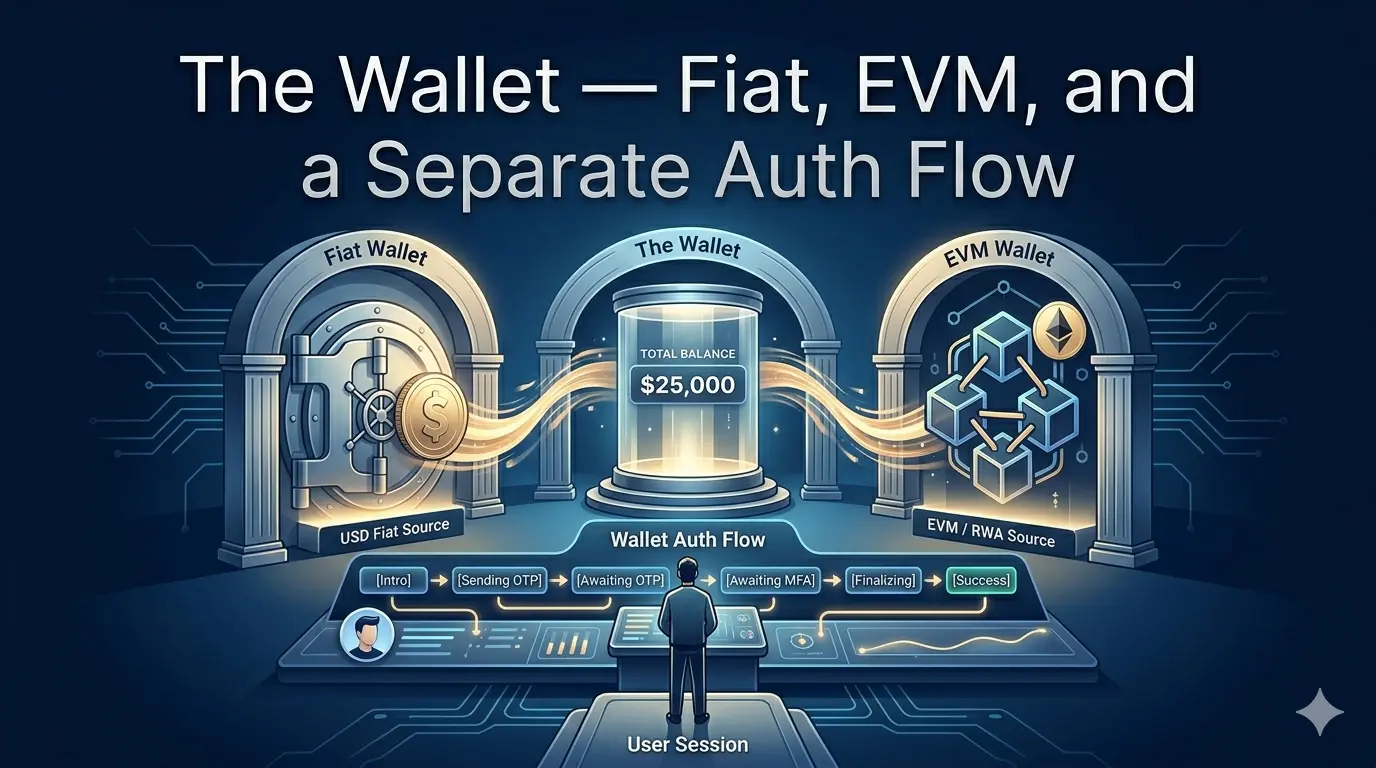
Tokenized funds apply blockchain infrastructure to the fund's ownership and operating records.
Instead of issuing shares through centralized registries and custodians, ownership is represented by blockchain tokens governed by smart contracts.
This allows the fund lifecycle to become programmable.
Key improvements include:
1. Instant Settlement
Traditional fund settlements may take T+2 days or longer depending on the jurisdiction.
Depending on the network and operating model, tokenized funds can settle within minutes or seconds, reducing settlement time and capital lockups.
2. Global Distribution by Default
Traditional funds require complex regulatory arrangements and distribution partnerships in each jurisdiction.
Tokenized funds can use digital identity verification and smart-contract rules to support investor onboarding across jurisdictions where the offering is permitted.
This can reduce some distribution steps, but offering rules still apply in each jurisdiction.
3. Fractional Ownership
Blockchain infrastructure allows assets to be divided into extremely small ownership units.
This enables investment products that were previously inaccessible to most investors, such as:
- private credit funds
- infrastructure funds
- venture capital portfolios
- real estate portfolios
Fractionalization can expand the potential investor base.
4. Programmable Compliance
One capability of tokenized funds is programmable transfer compliance.
Smart contracts can enforce regulatory restrictions automatically, including:
- investor accreditation requirements
- jurisdictional restrictions
- transfer limitations
- lockup periods
This can reduce some administrative work by encoding restrictions in the transfer flow.
5. Automated Operations
Tokenized fund infrastructure can automate many operational tasks that previously required multiple service providers.
Examples include:
- dividend or yield distribution
- investor registry management
- subscription and redemption processing
- reporting and audit trails
This can reduce operational work for those tasks.
The Distribution Breakthrough
One of the biggest barriers in traditional asset management is distribution.
Launching a fund is one challenge — getting investors to access it is another.
Tokenized infrastructure creates direct-to-investor distribution channels through digital investment platforms.
Asset managers can launch branded investment portals where investors:
- complete onboarding
- subscribe to funds
- track performance
- receive distributions
This model can reduce some layers of traditional financial distribution.
The Institutional Shift Is Already Starting
Major financial institutions have already begun exploring tokenized funds and real-world assets.
Examples include:
- BlackRock launching tokenized money market funds
- Franklin Templeton issuing blockchain-recorded treasury funds
- JPMorgan Chase experimenting with tokenized collateral and settlement systems
These examples show that institutions are testing tokenized funds and related infrastructure.
The Coming Market Expansion
The global asset management industry manages more than $100 trillion across public and private markets.
If some of these assets use tokenized infrastructure, the resulting market could grow substantially, but the pace is uncertain.
But unlike ETFs, tokenized funds can represent far more than public equities.
They can include:
- private markets
- infrastructure projects
- credit instruments
- structured products
- real-world assets (RWAs)
This can expand the range of assets represented in digital investment products.
Why This Moment Matters
The ETF revolution simplified trading funds.
The tokenization revolution simplifies creating and distributing funds.
This means asset managers no longer need to build massive operational infrastructure to launch new investment products.
Modern tokenization platforms now provide:
- issuance infrastructure
- compliance systems
- investor onboarding
- payment processing
- custody and wallet management
These capabilities support a move toward programmable capital-market workflows.
Conclusion
The success of ETFs shows how financial products can grow when they reduce friction and expand access.
Tokenized funds apply similar goals to ownership records, transfer rules, operations, and distribution.
For asset managers, tokenized funds can extend electronic trading with on-chain ownership records, transfer rules, and operations.